Introduction
Installing hardwood floorings can drastically boost the beauty and value of your home. However, the process is not without its difficulties. Numerous home owners make errors that can lead to expensive repair work or unsuitable results. In this thorough overview, we'll check out hardwood floor setup errors to avoid, drawing on expert insights to help you navigate the process smoothly.
Why Choose Hardwood Flooring?
Before diving right into typical pitfalls, it's essential to understand why hardwood floor covering is a popular option for many home owners. Not only does it give a cozy and inviting atmosphere, yet hardwood floors are likewise resilient and very easy to preserve. They can last for decades with correct treatment and refinishing, making them a beneficial investment.
Hardwood Floor Setup Mistakes to Prevent: Expert Insights
1. Overlooking Adjustment Periods
What Is Acclimation?
Acclimation is the process of allowing hardwood slabs to adjust to the temperature level and moisture of your home prior to setup. Failure to do this can result in warping or fastening over time.
How Long Ought to You Acclimate?
Generally, it's advisable to allow your hardwood floor covering adapt for at the very least 48 hours. During this time around, keep the boxes of flooring open in the room where they'll be installed.
2. Choosing the Wrong Underlayment
Why Is Underlayment Important?
The underlayment supplies supporting and insulation for your hardwood floorings. It likewise aids with sound absorption and wetness control.
Types of Underlayment Materials
- Foam Cork Felt
Each kind serves various objectives, so pick carefully based on your specific needs.
3. Missing Moisture Testing
Do I Truly Need To Test For Moisture?
Absolutely! Dampness can ruin wood floorings otherwise resolved upfront. Use a wetness meter to examine both the subfloor and hardwood slabs prior to installation.
What Serve Degrees of Moisture?
Generally, you desire dampness degrees listed below 12% for concrete subfloors and between 6%-9% for wood subfloors.
4. Poor Design Planning
Why Is Design Crucial?
A well-planned layout makes certain that your floor looks in proportion and visually appealing while likewise enabling natural expansion and contraction of wood fibers.
Tips for Reliable Design Planning
- Measure the area dimensions. Create a diagram. Consider illumination angles when determining plank orientation.
5. Neglecting Expansion Gaps
What Are Expansion Gaps?
These are rooms left in between the flooring and wall surfaces or other structures that enable natural development as a result of moisture changes.
How Much Space Do I Need?
Typically, leave about 1/2 inch room along wall surfaces or fixed objects.
https://writeablog.net/mantiabmrg/throughout-what-to-expect-throughout-your-hardwood-flooring-installation6. Incorrect Trimming Techniques
What's The most effective Way To Cut Wood Planks?
Using a miter saw gives tidy edges; nonetheless, making use of improper strategies can cause rugged cuts that jeopardize aesthetics.
Tips For Reducing Slabs Correctly
- Always determine two times prior to cutting. Use clamps to stabilize planks throughout cutting.
7. Improper Nailing Techniques
Nail Down Vs Staple Down: What's The Difference?
Depending on your subfloor type (concrete vs plywood), you'll need different attachment strategies; nailing calls for ability while stapling is often simpler however less secure.
8. Neglecting Subfloor Preparation
Subfloor prep work is essential; an uneven surface area will cause problems down the line such as creaking or uneven wear-and-tear patterns on your brand-new floor!
9. Falling short To Make Up Natural Light
Natural light can trigger fading gradually; use UV-protective surfaces or consider putting carpets in high sunlight direct exposure areas!
10. Ruling Out Way Of Life Needs
If you have family pets or youngsters, softer wood types may not stand up in addition to tougher selections like oak or maple!
FAQs
1. What devices do I need for hardwood floor installation?
You will generally need a miter saw, measuring tape, hammer, pneumatically-driven nailer/stapler (depending on technique), lever, level, chalk line, safety and security goggles & & ear protection.
2. Can I set up wood floors myself?
Yes! Nonetheless, having some basic woodworking abilities will certainly assist tremendously; if unsure regarding any step-- don't hesitate to speak with professionals!
3. For how long does it take to install wood floors?
Installation usually takes 1-- 3 days depending on space dimension & & intricacy; refinishing afterward might add extra time as well!
4. What's involved in refinishing wood floors?
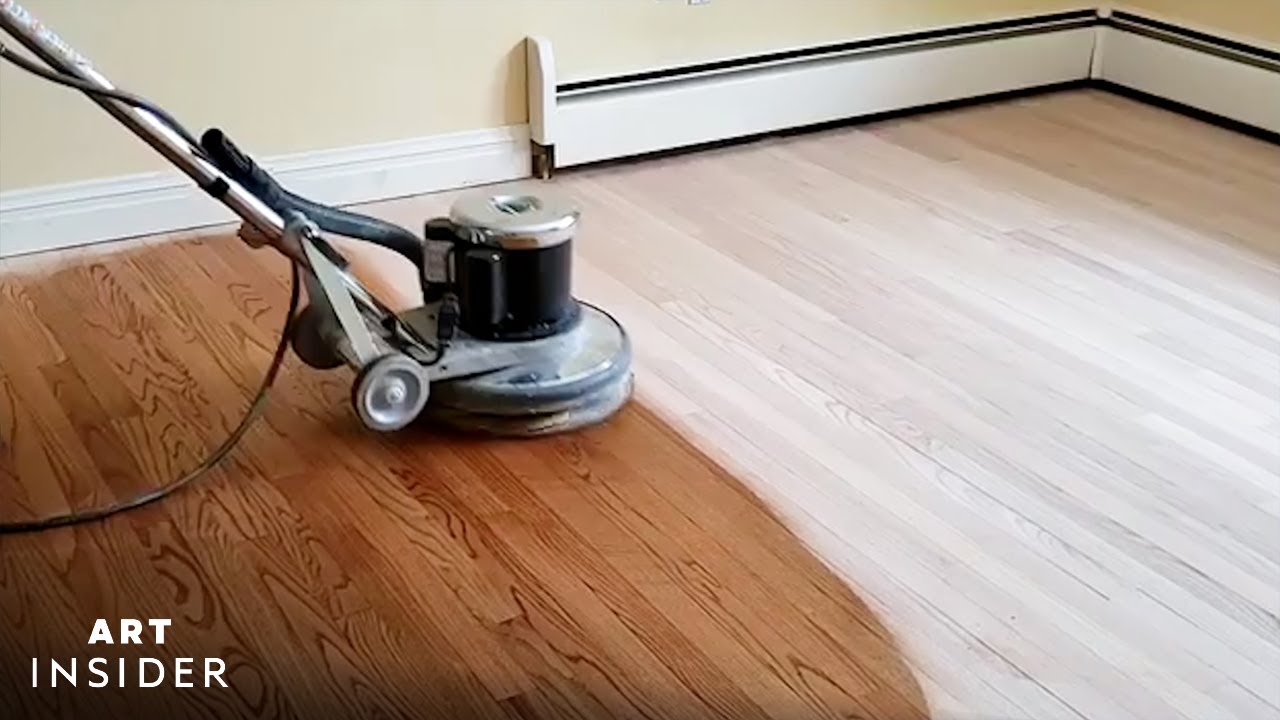
Redecorating includes sanding down existing coating layers adhered to by applying new stain/color choices after that securing with safety coat(s).
5. Just how commonly need to I refinish my hardwood floors?
Every 7-- 10 years depending on wear patterns & & use levels; signs like monotony show it's time for a refresh!
6. Can I utilize heavy steam cleansers on my new hardwood floor?
No! Heavy steam cleansing can warp wood fibers gradually; rather go with dry mopping/vacuuming incorporated with moist cloth approaches periodically!
Conclusion
When installing wood floors in your house, avoiding typical risks is essential to making sure durability and visual charm. From comprehending adjustment periods to selecting appropriate underlayment materials and preparing formats effectively, each step plays an indispensable role in achieving remarkable results.
In summary-- take your time throughout the drawing board! This persistance repays when it comes time for setup in addition to future upkeep procedures such as redecorating in the future-- the far better educated you are currently implies less migraines later!
Armed with these specialist understandings on hardwood flooring installation mistakes, you're ready to tackle this project confidently-- turning those imagine gorgeous wood flooring into reality!